Sidebar

1_copy_copy_copy_copy_copy_copy_copy_copy_copy_copy_copy_copy_copy_copy_copy_copy_copy_copy_copy_copy.jpg

Vilnius University / Ugnius Bagdonavičius photo

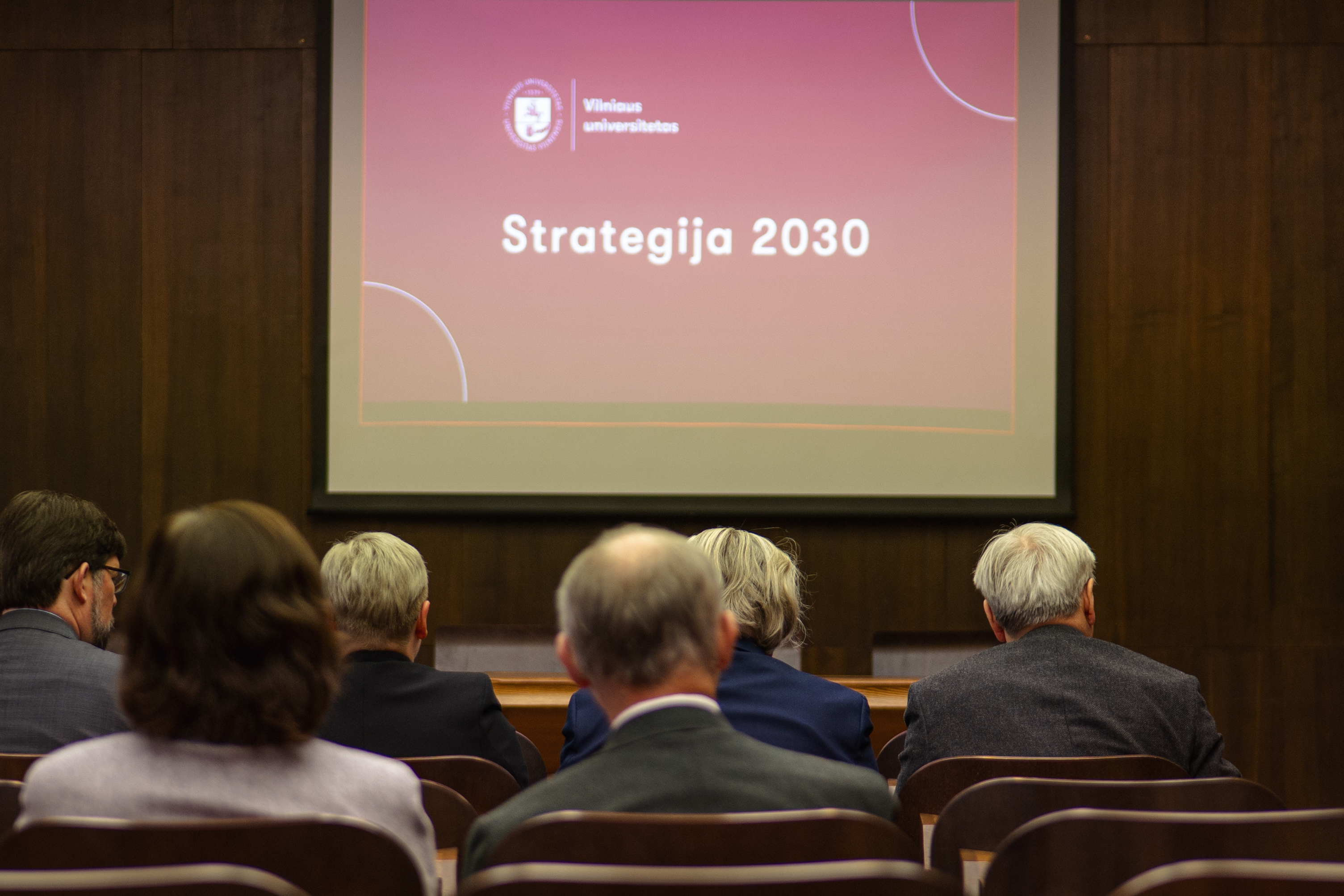
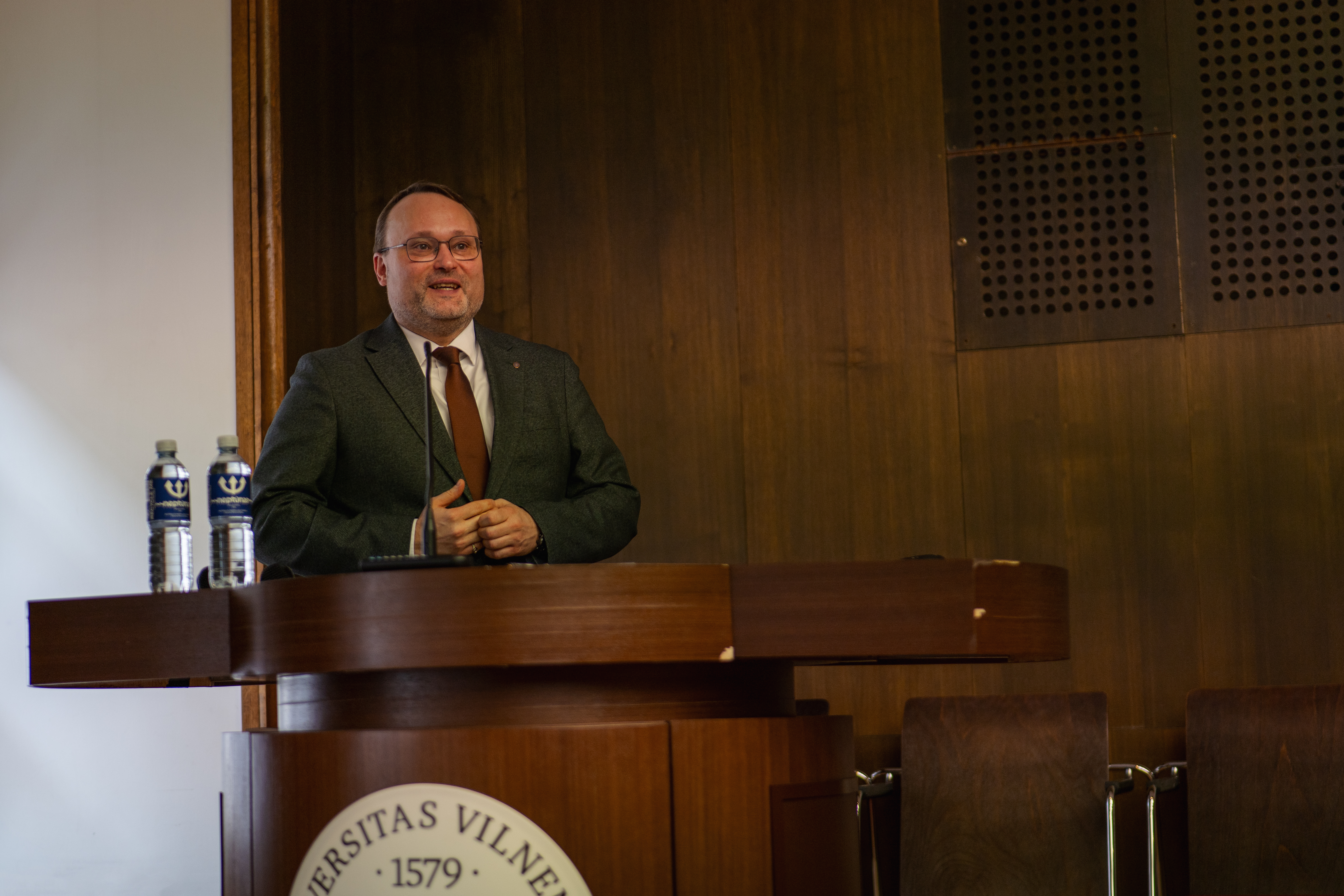
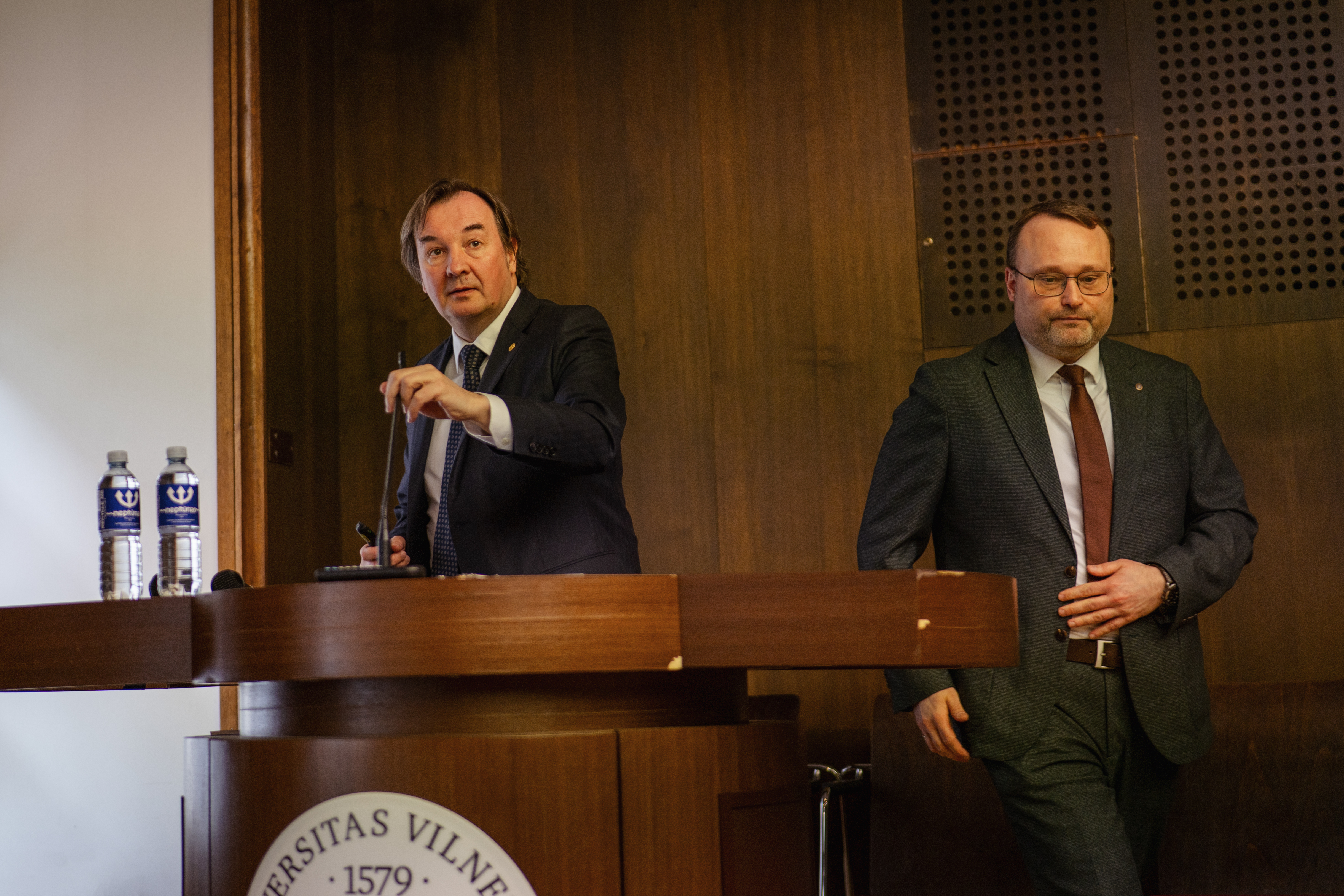
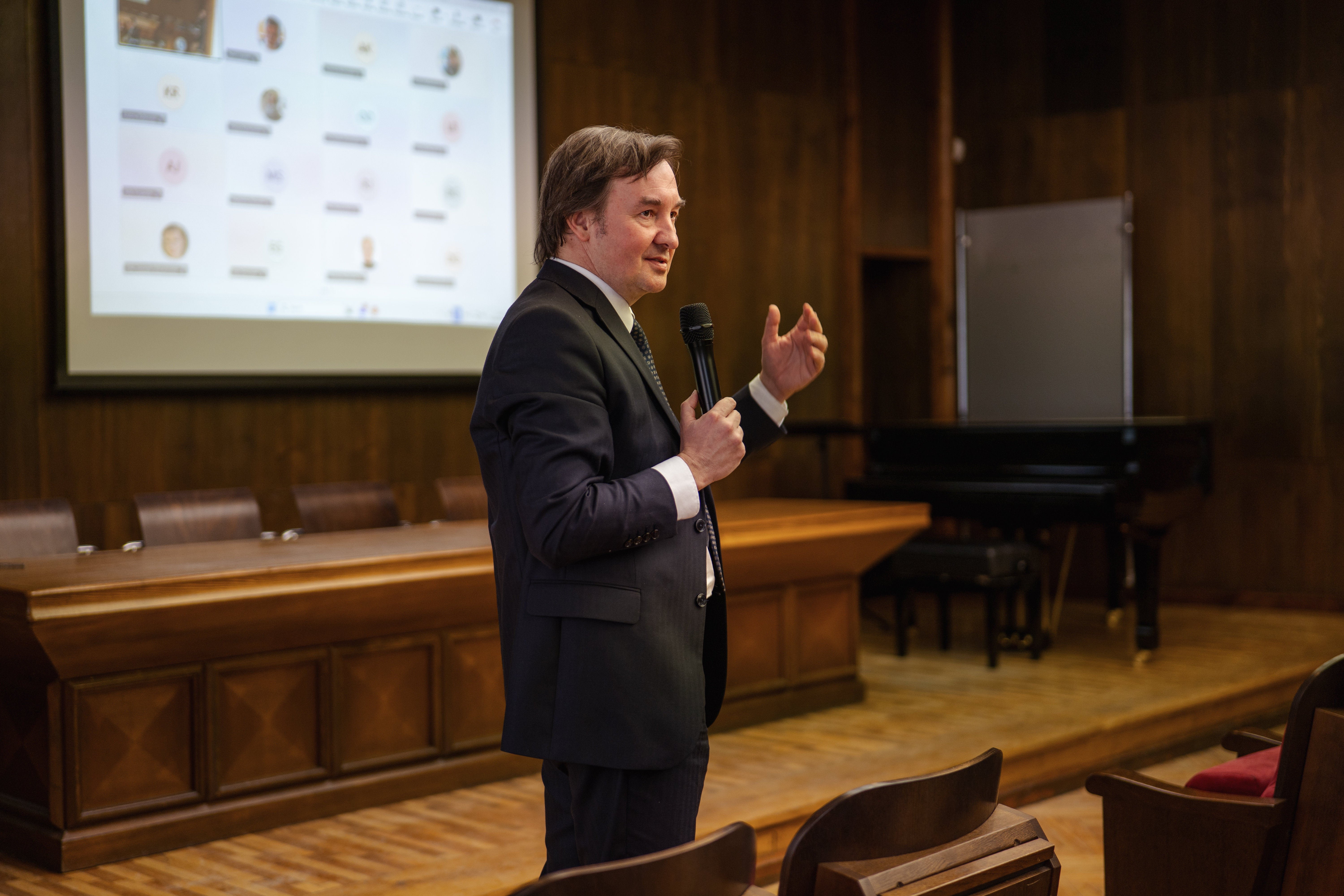
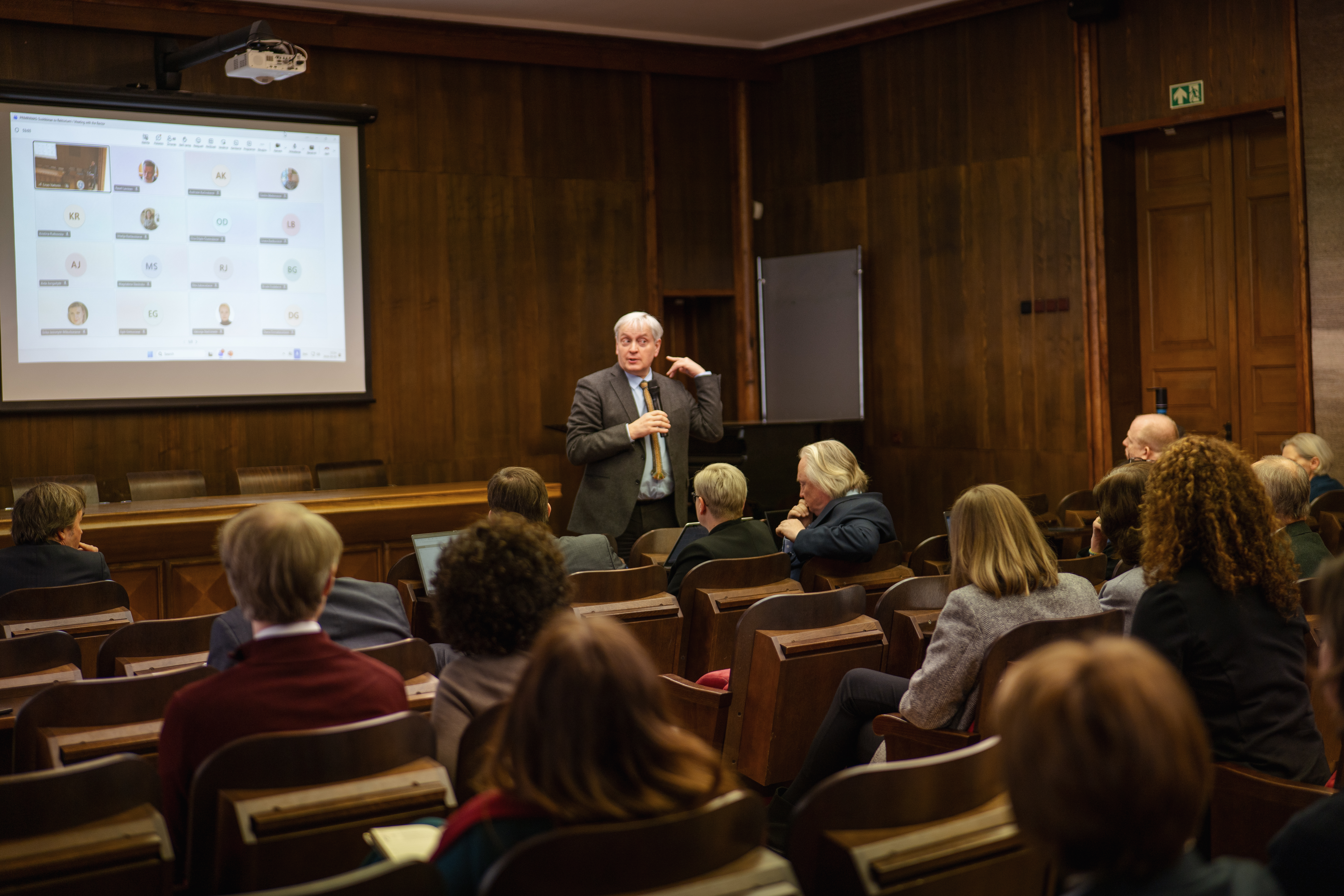
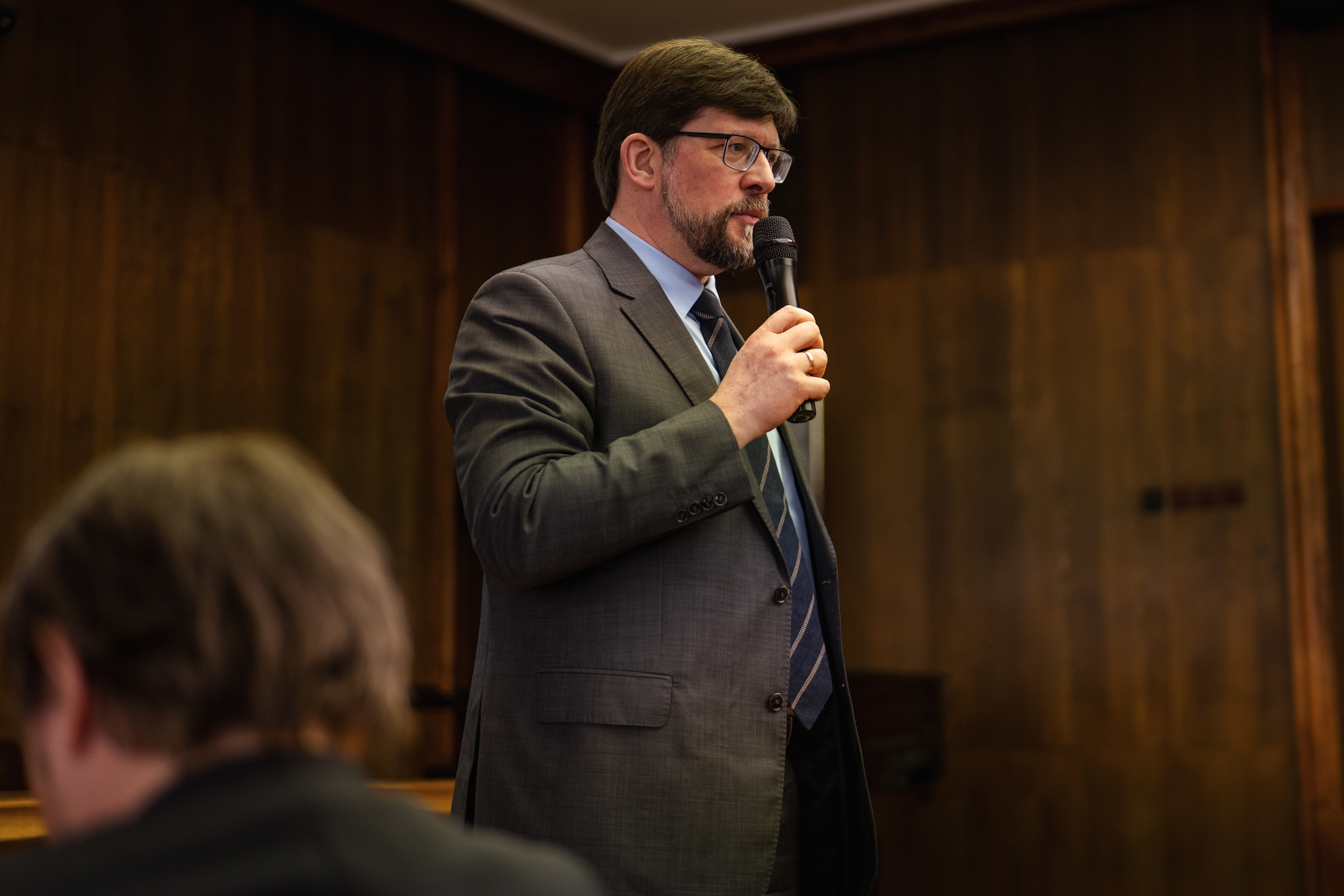
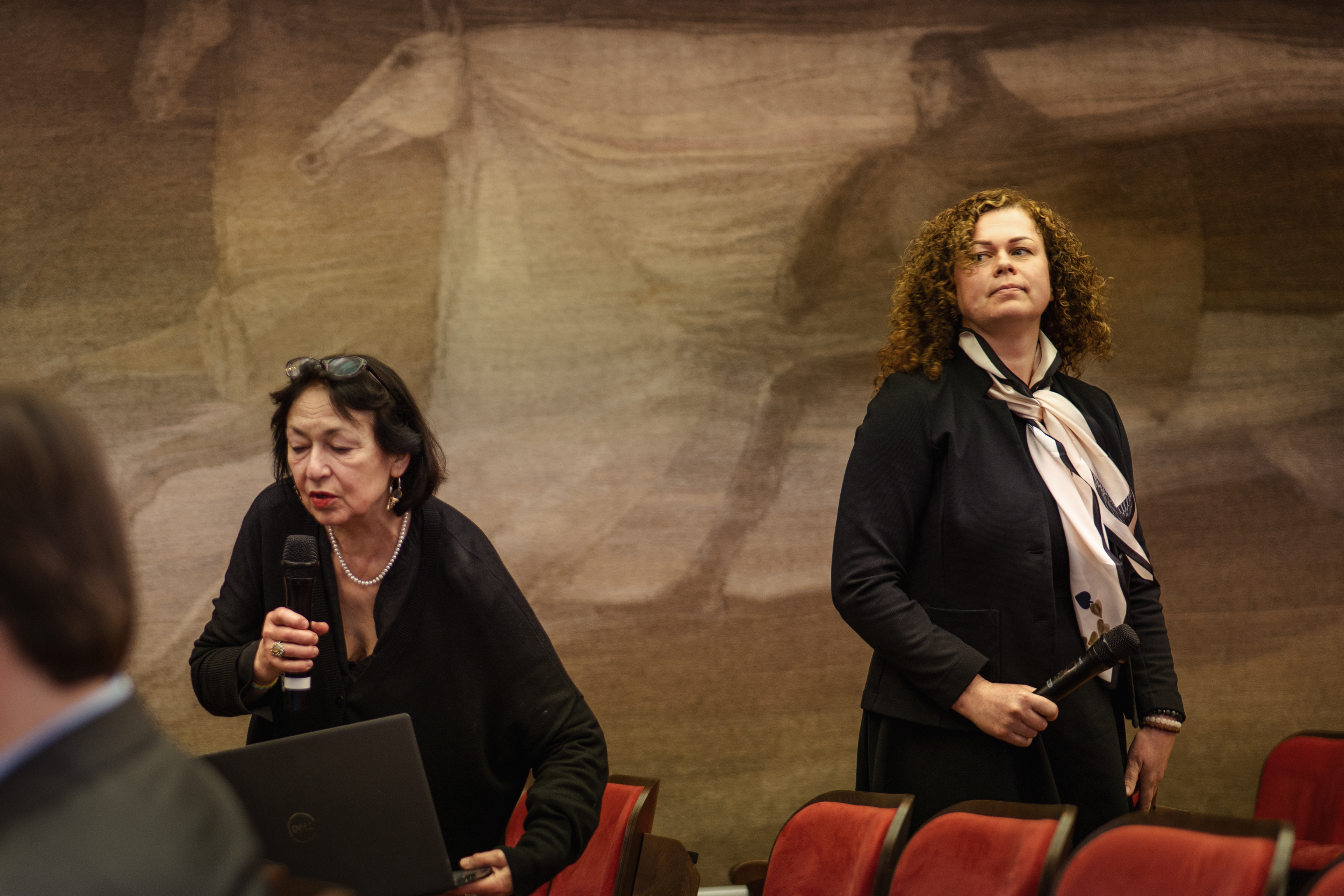
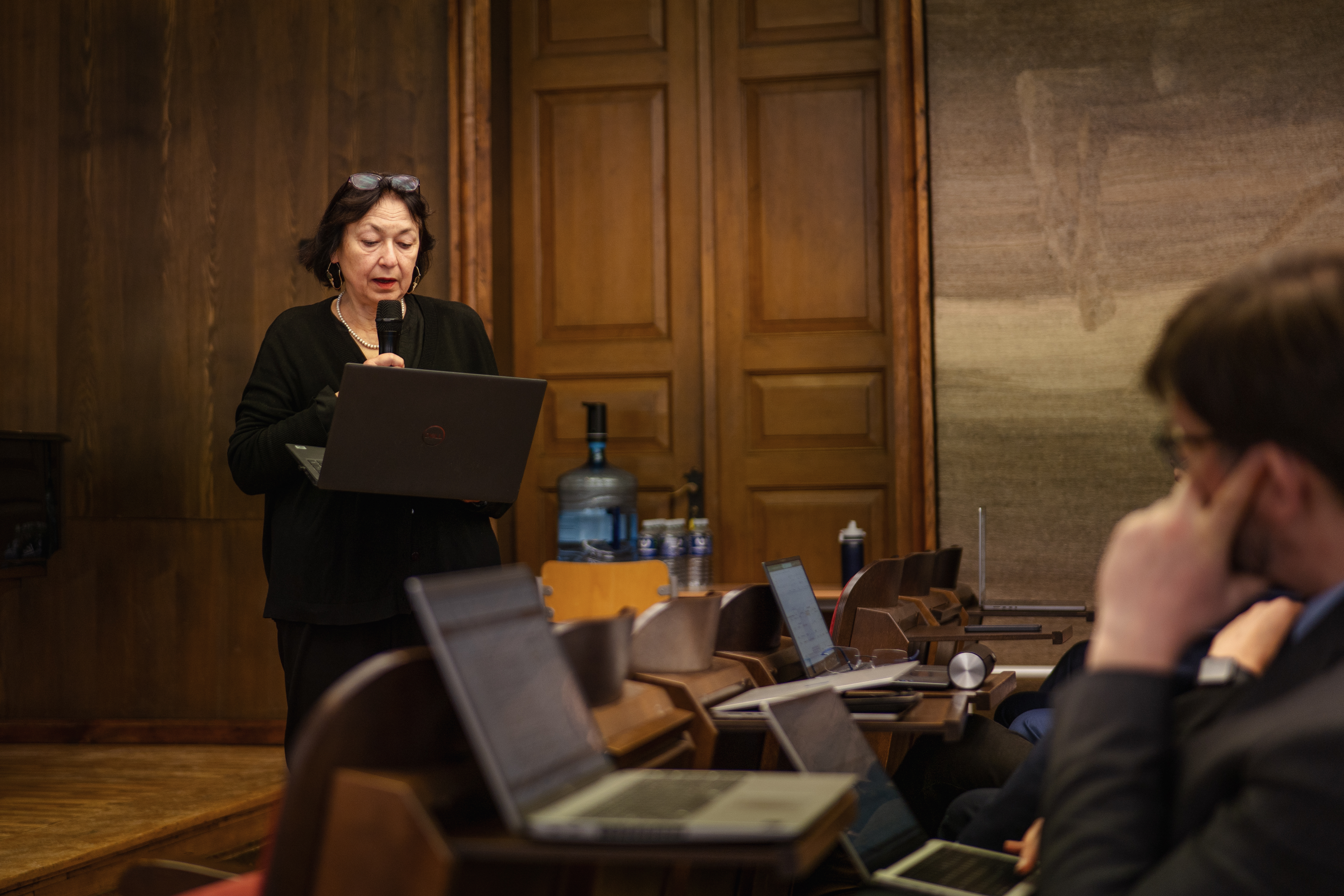
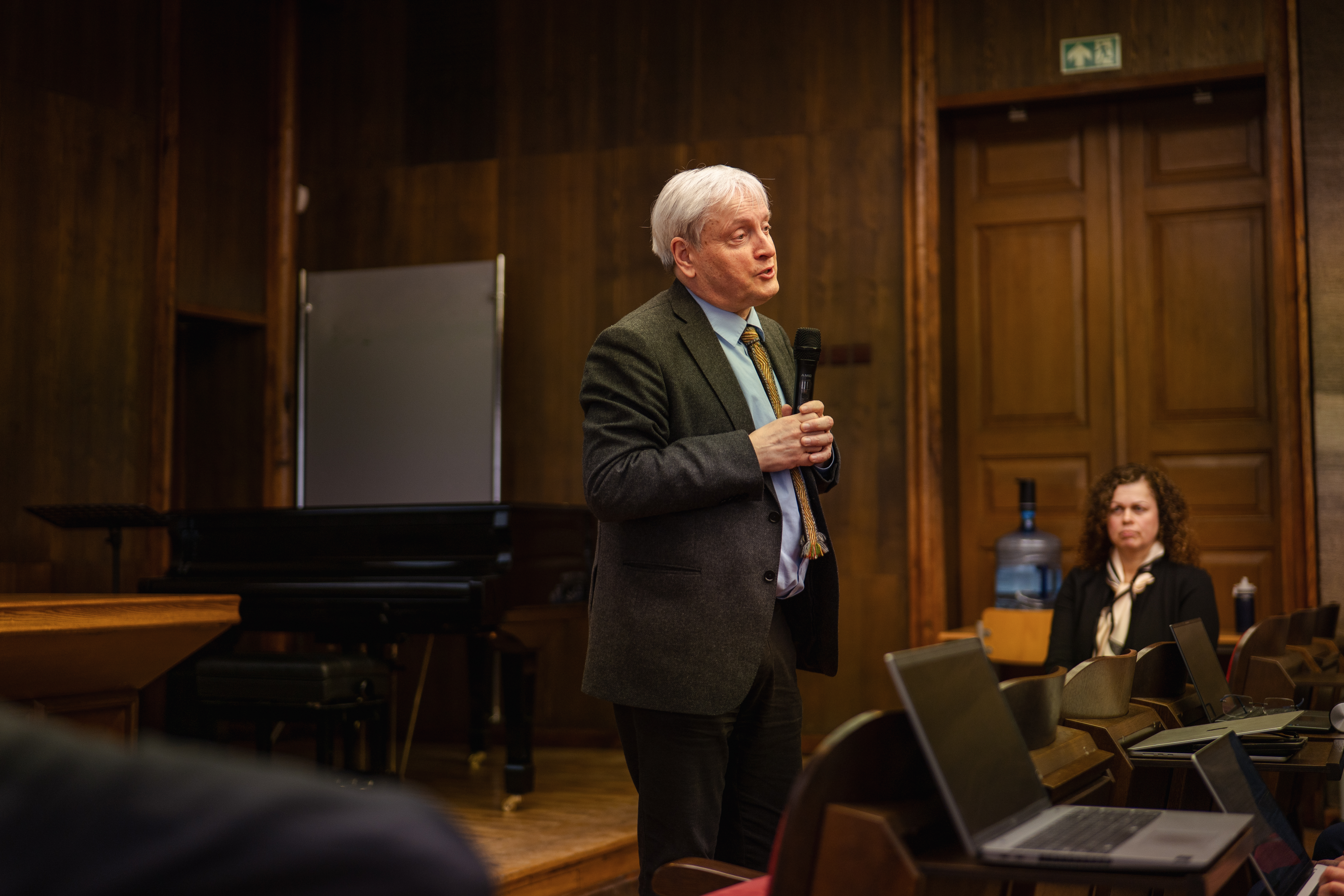
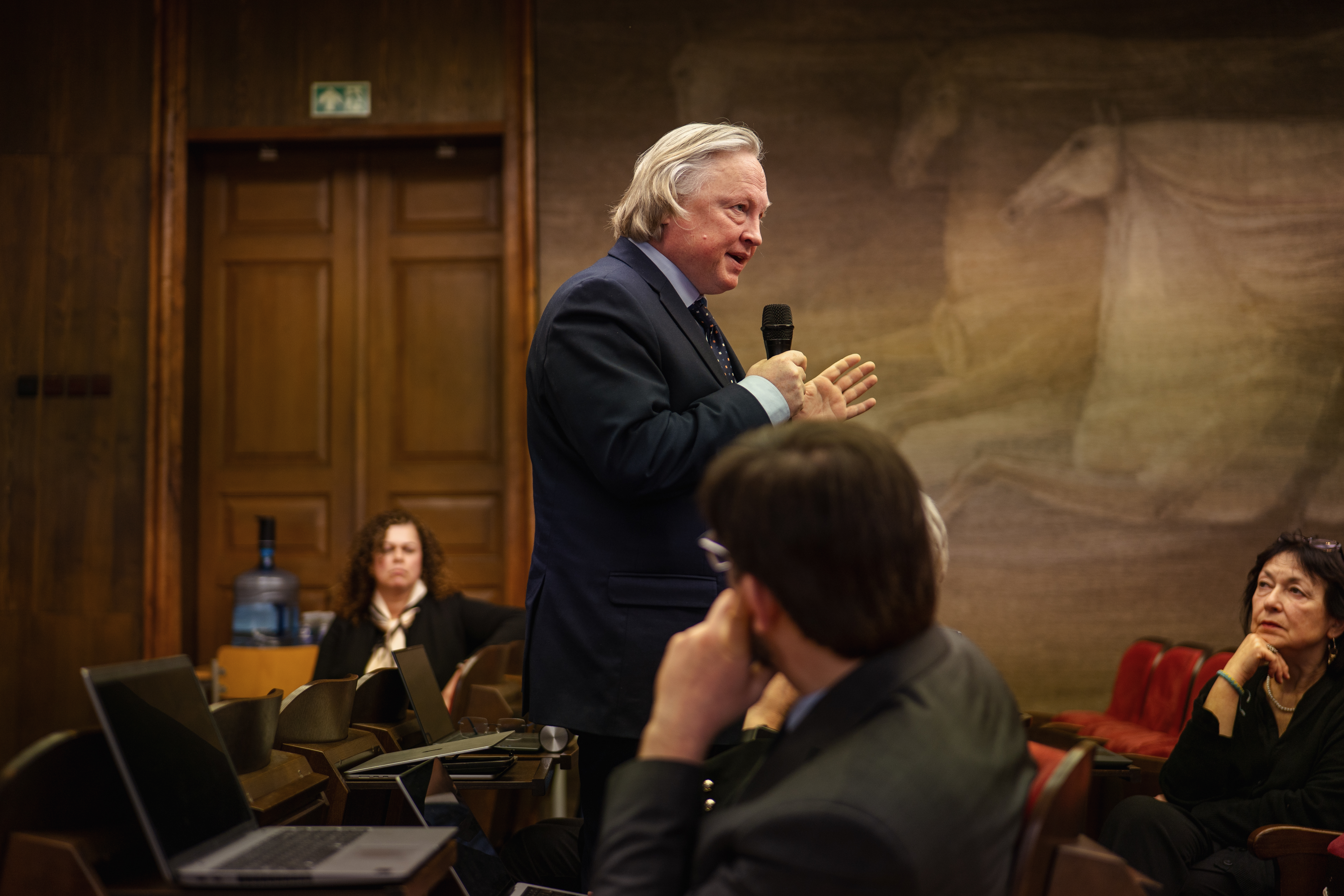
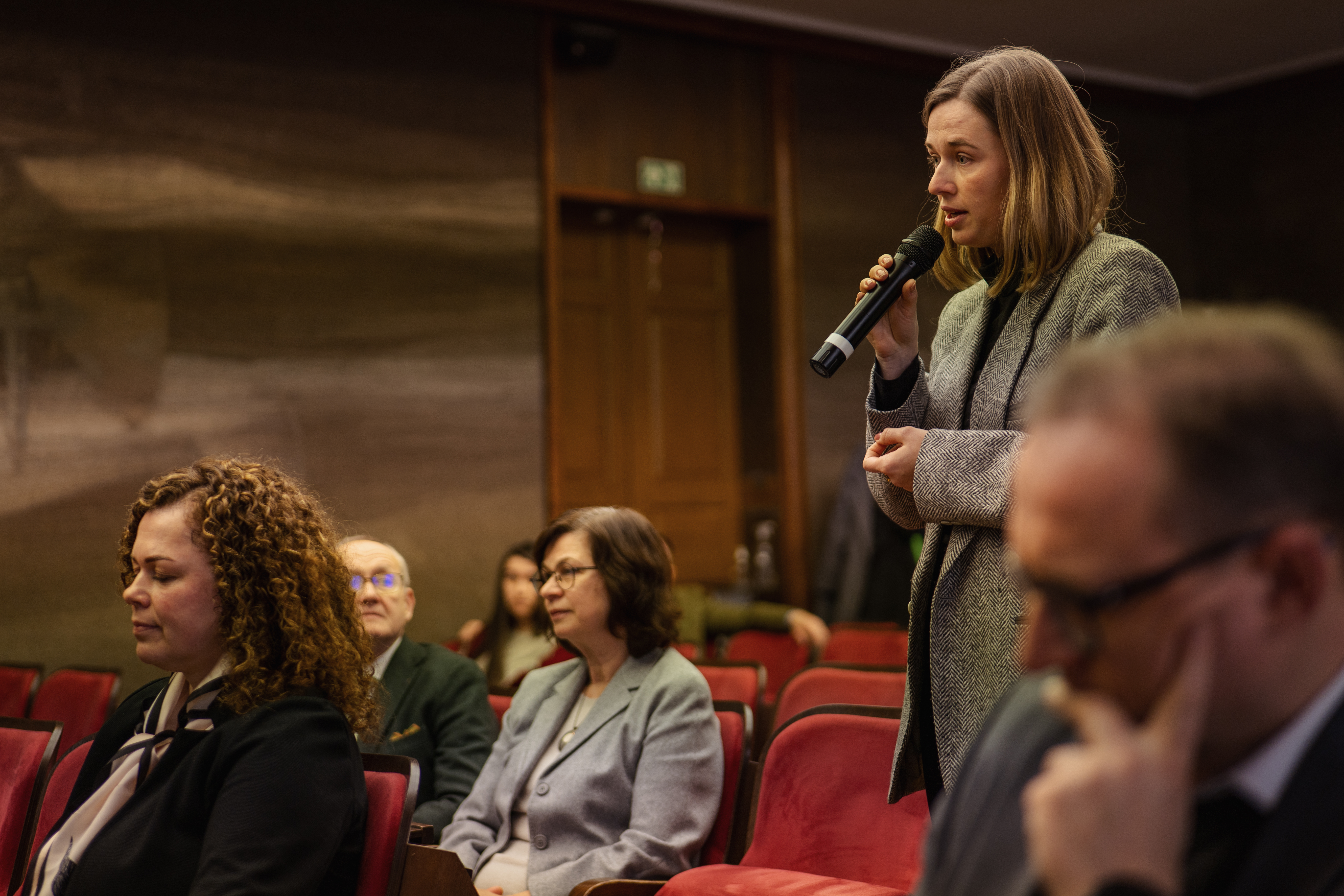
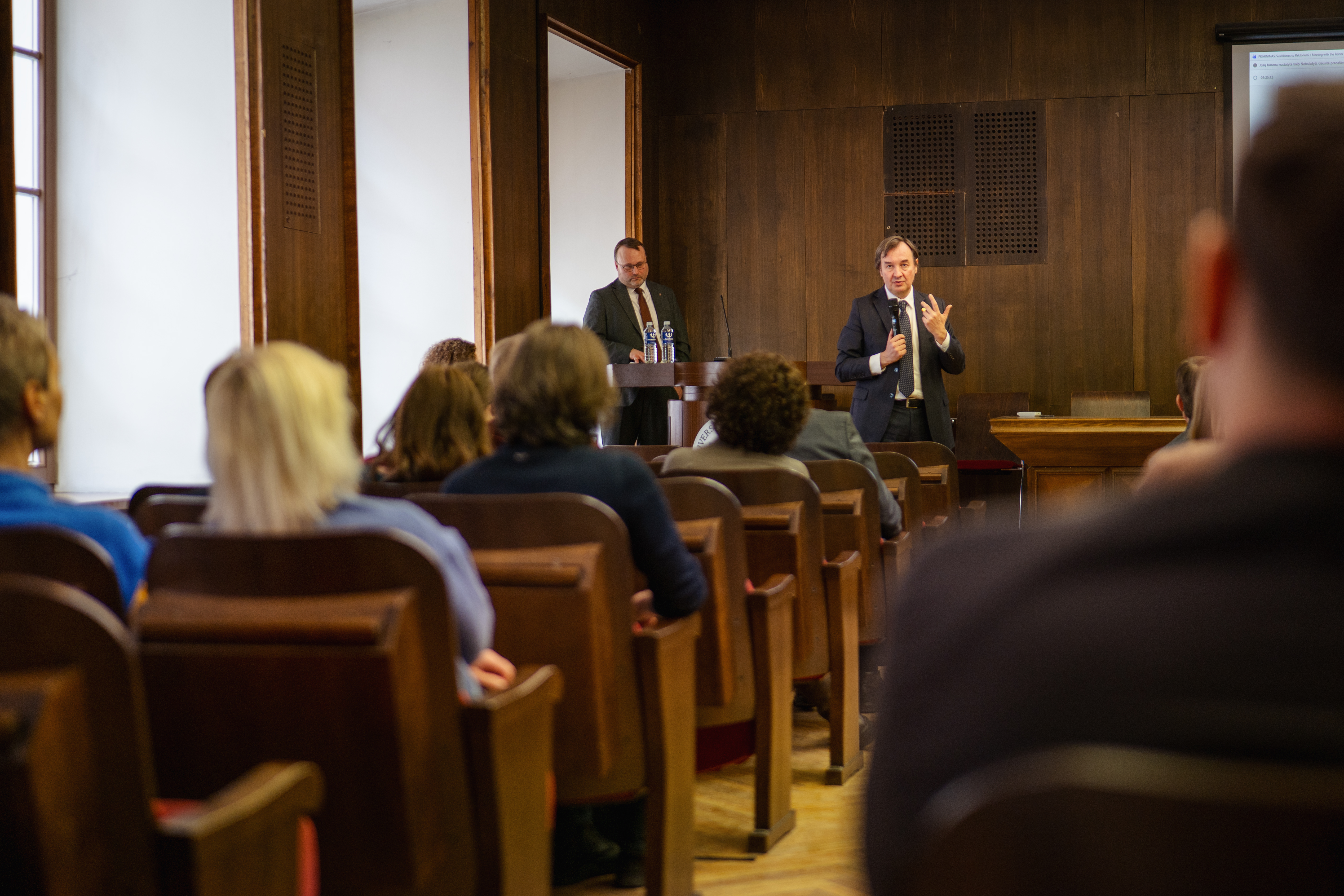
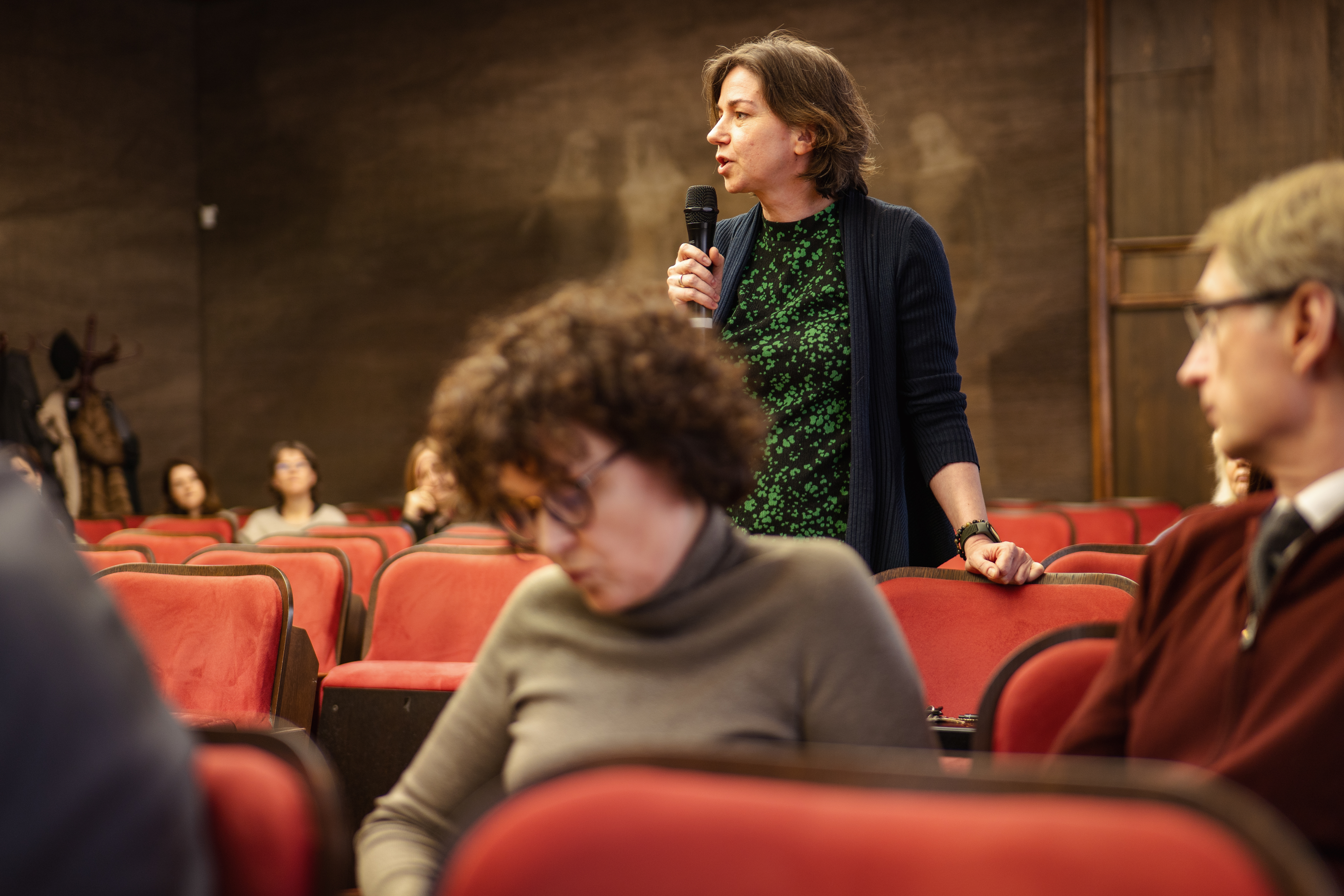
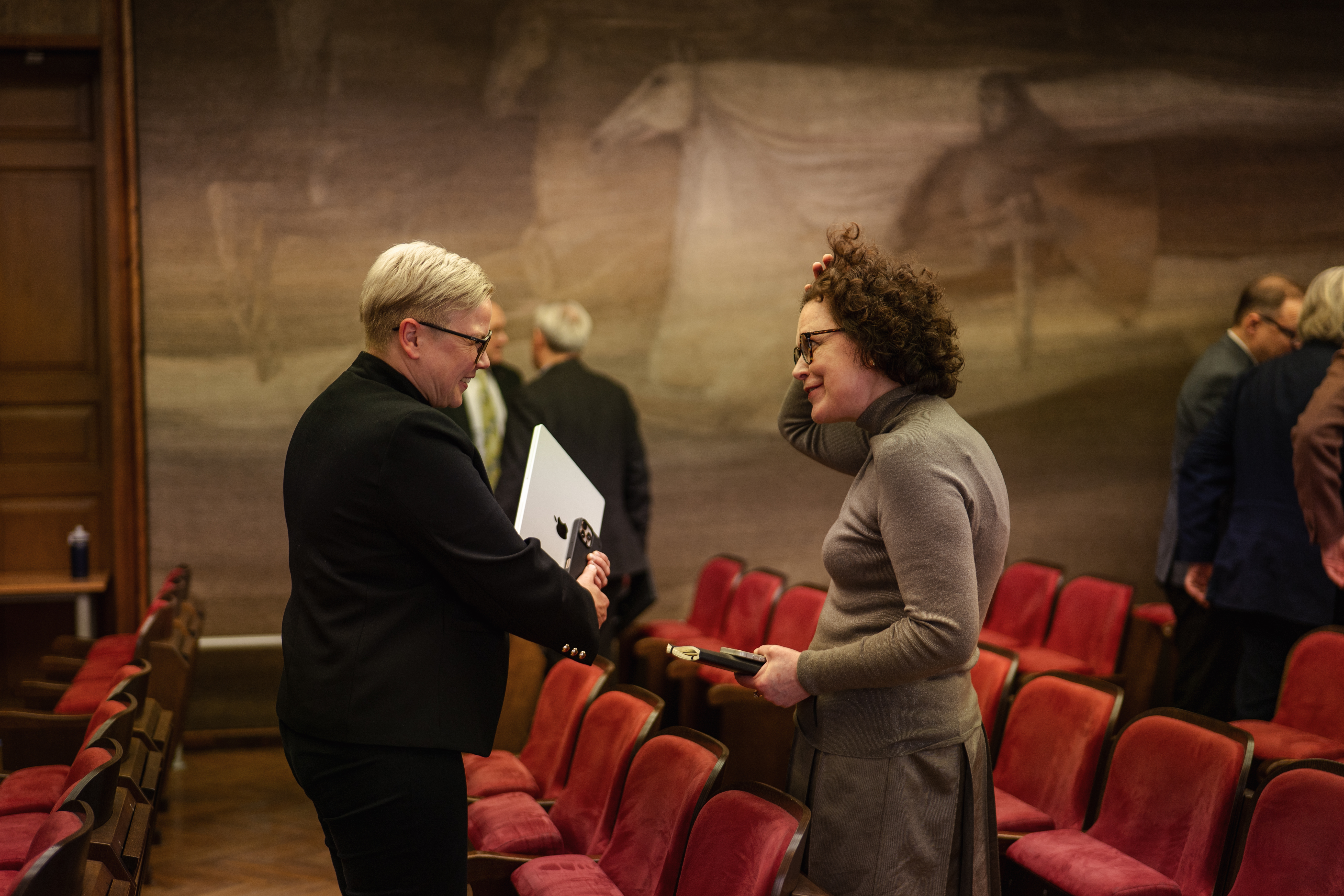
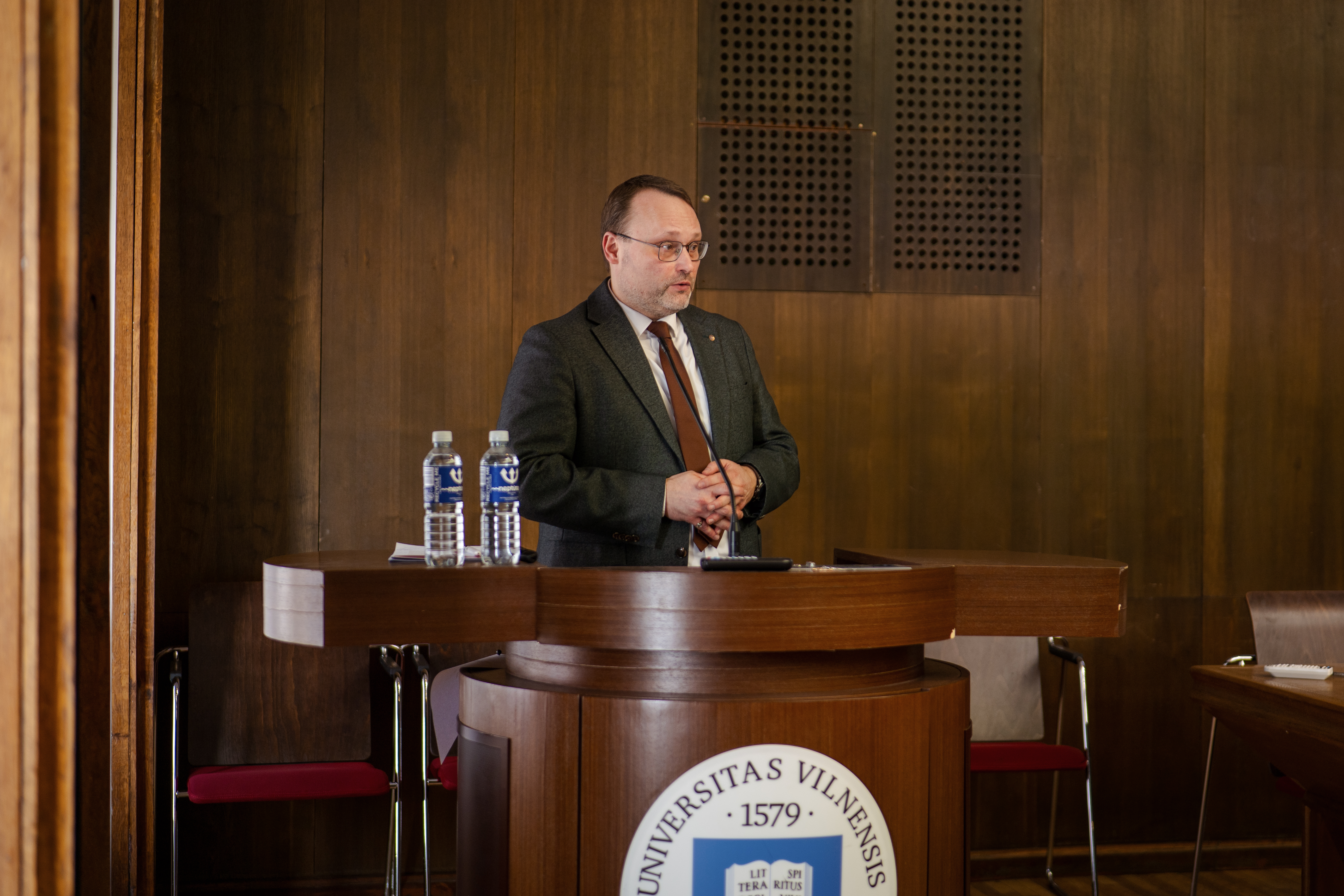
On the second day of the conference „Genesis – Vilnius 2025: Genesis&Mimesis“, which is now in full swing, we are pleased to share photos of this excellent international meeting and the opening address delivered yesterday by our honourable guest, Madame Nathalie Ferrand, Director of ITEM (Institut des textes et manuscrits modernes). The address was titled 'From North to South, East to West: Genetic Criticism as a Compass in the Ocean of Texts and Manuscripts'.

It is a great pleasure and a great honour for me to open this new international conference dedicated to genetic criticism on behalf of the Institute for Modern Texts and Manuscripts (ITEM).

My deepest thanks must go to all those involved in the conception and organization of this year’s conference: to Professor Paulius Subačius and his colleagues, to the organizing committee who drew up its stimulating and engaging programme, to the University of Vilnius for hosting this event, and to the participants from different disciplines and countries who are gathered here today.

7_copy_copy_copy_copy_copy_copy_copy_copy_copy_copy_copy.jpg

Vilnius University / Ugnius Bagdonavičius photo

“Genesis – Vilnius 2025” is the sixth in a series of meetings that began in Helsinki in 2017, followed by Cracow in 2019, Oxford in 2022, Taipei in 2023, and Bologna in 2024. For the most part these conferences have been held within the bounds of the European continent, though their venues have ranged from this continent’s far north to its south. Thanks to Peng Yi, however, who organized the 2023 event in Taiwan, the Genesis Conferences have extended their span out of Europe, and the West altogether, into Asia.

The Institute for Modern Texts and Manuscripts has been engaged for a long time already in building up a tradition of international research and of strong scientific collaboration with other countries and continents: with Latin America (in particular with Brazil via the Associação dos Pesquisadores do Manuscrito Literario) since the nineties, with Japan where Japanese colleagues have been working, for many years now, closely together with Proust specialists in this field. Close collaboration has been going on with Africa for some twenty years now, and more recently it has begun with India. But the pattern that the Genesis Conferences are gradually forming is one which is broadening this framework yet further. These meetings now impress as a sort of wind-rose mapping the shifting fortunes of our discipline on a veritably global scale.

5.1.jpg

Vilnius University / Ugnius Bagdonavičius photo

What is impressive about these international conferences is not just the breadth of their extension across space but also the regularity of their occurrence in time. They have now taken on the steady rhythm of being held once a year. This regularity, however, has by no means lessened the richness or the novelty of the topics broached at each successive annual conference. As much is clear, for example, from the programme that lies before us in the next three days. Nor has this steady familiarity dulled our desire to practice, or still less our pleasure in practicing, genetic criticism. Proof of both these points, I think, is the fact that there have already been conceived and formulated a set of keynote themes for all the Genesis Conferences of the next five years, right up until 2030. These conferences will be held in Lisbon, in Tokyo, in Thessaloniki and in Antwerp, with a stop-over in Paris in 2028 to celebrate together the sixtieth anniversary of genetic criticism’s coming into existence. The colleagues involved in preparing these upcoming encounters are all here amongst us today and it is impossible not to admire the great variety of the topics that they are soon to propose to us.

One of the reasons why genetic criticism continues to interest scholars, and even interests them more year by year, is probably the following: it provides a sort of compass which enables one to find one’s bearings, and not to lose one’s way, in a form of textuality which is quite peculiar, complex and even labyrinthine: namely, the author’s manuscript. All those scholars who work on very large genetic dossiers – especially those of novelists – know how the material making up the drafts can be of a positively blinding richness. The scholar, however, must provide rational and convincing explanations of all that is there in this material. The method, and the concepts, of genetic criticism allow him or her to do so, even if this involves mobilizing also, where necessary, the tools of other disciplines belonging to the field of manuscript studies, such as codicology and palaeography.

19_copy.jpg

Vilnius University / Ugnius Bagdonavičius photo

In the discipline’s early years practitioners of genetic criticism were sometimes looked upon as eccentric individuals who spent their time transcribing crossed-out passages in author’s texts, wasting months of effort on such seemingly unfruitful matters. Some were of the view that the labour of genetic critics was expended mostly in vain, yielding little in the end but interminable surveys of the tiniest, seemingly most trivial details of texts and manuscripts. Now, it is certainly true that the description of manuscripts, and the transcription of all that is in them, is an indispensable stage in our work. It is also true that we spent a great deal of time poring, with our magnifying glasses, over erasures. But it was not labour lost, because it was the best way to enter into the concrete mechanisms of invention and of creative intelligence, so that we can better understand them. Thanks to this patient work genetic criticism has brought to light another form of textuality that challenges the classic methods of interpretation, these latter having been founded for a long time solely on texts fixed once and for all. Thus, genetic criticism makes possible a profound revision and renovation of our understanding of creative works and creative individualities. The fruits of this approach are more and more clearly evident in the publications which are produced every year in what is now a flourishing field.

Genetic criticism, then, can be defined, today, as a “science of written invention“. I borrow this excellent definition from Daniel Ferrer, who proposes it in the remarkable preface which he provided for the latest addition to our new collection collectively entitled Dans l'atelier de… (In the workshop of…), in a volume dedicated to the writing processes of Virginia Woolf.

The next three days are going to be devoted to a wonderful topic of discussion: Genesis & Mimesis. It is a very challenging topic, both for philosophers and for literary scholars. A topic like this leads us, in fact, down to the very roots of our culture, passing through the work of such authors as Plato and Auerbach and beyond. Mimesis is nothing less than one of the key modalities of our relation to truth and to what is real. By thinking, side by side with one another, genesis and mimesis, it becomes possible to envisage mimesis not only as a result which ensures the solidity of the literary or artistic work, thereby producing the illusion of reality or a relation to what is true, but also as a process, as a path toward producing or achieving these same results.

20_copy.jpg

Vilnius University / Ugnius Bagdonavičius photo

But mimesis may also be intended in another sense: that of an imitation of models – i.e. of other texts and authors – through which a writer tries to find his own way toward originality. This too is a lively and exciting field of scholarly inquiry.

Very probably, the three days set aside for this will not be enough to thoroughly explore the field of fundamental questions which opens up before us here. Nevertheless, this luminous idea proposed for Genesis Vilnius 2025 by Professor Paulius Subačius, who has been the principal initiator and organizer of this conference, will surely open up a series of exciting avenues of exploration which will be followed out still further in the future. Let me extend, then, my warmest thanks to you and to all the participants, and wish all of us good fortune in the work ahead!

Viešinimui_copy_copy_copy.jpg

Vilnius University and the University of Hamburg have signed a double degree agreement, offering German Studies students the unique opportunity to obtain a diploma from both institutions.

From 2025 onwards, students enrolling in the Bachelor's programme in German Studies at Vilnius University will be eligible for the double degree. This agreement is the result of four years of close cooperation between the two universities, with the launch of a joint degree being one of the partnership’s key goals. Until now, students could spend a semester in Hamburg, but the new programme opens up even broader international opportunities.

'Vilnius University seeks to expand its cooperation with leading international universities in both research and education. We have good news for students of the Faculty of Philology: this academic year we are launching another double degree programme. From 2025, bachelor’s students of German Studies will be able to earn a double degree from Vilnius University and the University of Hamburg. We are delighted with our partnership with this prestigious academic institution and the new opportunities it brings for our German Studies students,' said Vilnius University Rector Prof. Rimvydas Petrauskas.

The University of Hamburg is one of the most prestigious universities in Germany and has been awarded the status of 'Exzellenzuniversität' (Excellence University). It is renowned for its innovative research projects, strong academic networks, and commitment to building a sustainable future in the digital age.

20230615_141029_copy.jpg

Skaistė Volungevičienė photo

This new double degree programme will give students a significant competitive advantage in their academic and professional careers.

Contacts:

Vilnius University, Faculty of Philology – Assoc. Prof. Dr Skaistė Volungevičienė
University of Hamburg – Prof. Dr Heike Zinsmeister

1_copy_copy_copy_copy_copy_copy_copy_copy_copy_copy_copy_copy_copy_copy_copy_copy_copy_copy.jpg

Vilnius university / Ugnius Bagdonavičius photo

To mark the 400th anniversary of the first publication of Matthias Casimirus Sarbievius's most famous collection of Latin poetry, Lyricorum libri tres, 2025 has been declared the Year of Baroque Literature in Lithuania. Sarbievius, a neo-Latin Jesuit poet from the Polish–Lithuanian Commonwealth, was known as the 'Christian or Sarmatian Horace'. His theoretical ideas on poetry and rhetoric are still valued, inspiring new research on Baroque literature and authors. This anniversary therefore provides an opportunity to explore the scope and diversity of Baroque literary culture, an area that has attracted considerable interest in recent decades, both academically and in popular culture. To mark this occasion, the Institute of Lithuanian Literature and Folklore and the Faculty of Philology at Vilnius University have organised an international scientific conference entitled 'Ratio, affectus, sensus: Literary Baroque Culture in the Grand Duchy of Lithuania'.

3_copy_copy_copy_copy_copy_copy_copy_copy_copy_copy_copy_copy_copy_copy_copy.jpg

Vilnius university / Ugnius Bagdonavičius photo

After welcoming conference participants from around the world, Prof. Rimvydas Petrauskas, the rector of Vilnius University, noted that the prominent Baroque poet Matthias Casimirus Sarbievius was an alumnus, and professor of our University. In his presentation, he emphasised the spirit of internationalism that has prevailed at Vilnius University since its foundation.

'Vilnius University has been an international learning hub since the very outset of its founding. The first professors came from Bohemia, the first rector was Polish, a Portuguese scholar wrote the oldest surviving dissertation, the longest-serving rector was Spanish, the first law professors were from Germany, while the first professors of medicine hailed from France and Austria. Sarbievius also belonged to this international community of distinguished thinkers who shaped the identity of the university as a 'universitas magistrorum et scholarium,' emphasized Professor Rimvydas Petrauskas, Rector of Vilnius University.

 2_copy_copy_copy_copy_copy_copy_copy_copy_copy_copy_copy_copy_copy_copy_copy_copy.jpg

Vilnius university / Ugnius Bagdonavičius photo

This multidisciplinary conference aims to stimulate discussion about the literary culture of the Grand Duchy of Lithuania during the 'long 17th century' (from the end of the 16th century to the mid-18th century). This historical period is associated with dramatic changes and a general cultural crisis and is often described as contradictory, characterised by constant tension between reason and emotion, strict structure and passion. Considering this, we invite you to examine Baroque literature through the lens of the dynamic interplay between reason (ratio), emotion (affectus) and the senses (sensus), evident in various genres of the period and their subsequent reception that preserved the Baroque spirit.

2_copy_copy_copy_copy_copy_copy_copy_copy_copy_copy_copy_copy_copy_copy_copy_copy_copy.jpg

Yesterday, the new Ambassador of the Kingdom of Spain, His Excellency Fernando Fernández-Aguayo, visited the Faculty of Philology. In addition to the Dean, Prof. Dr Mindaugas Kvietkauskas, the meeting was attended by the faculty's lecturers in Spanish language and literature, Prof. Dr Miguel Villanueva and lect. Claudia Medrano González and Assoc. Prof. Dr Aistė Kučinskienė, a postdoctoral fellow from the University of Madrid, Silvia Peterssen Fernández, the Deputy Ambassador of Spain to Lithuania, Alejandra Rubio del Barrio, and the Ambassador's Assistant for Cultural Affairs, Greta Jurkūnaitė, who is also a Master's student at our faculty.

The Ambassador and his Deputy emphasised their desire to continue successful cooperation with the Faculty. They expressed a wish to organise Spanish film screenings, contribute to the preparation of Spanish Culture Week and maintain the Spanish literature shelf in the Česlovas Miloš reading room.

We were delighted to welcome H.E. Fernando Fernández-Aguayo and to mark the beginning of a new period.

Viešinimui_copy.jpg

Congratulations to the students who chose to devote part of their summer vacation to science! This year, nine students, supervised by lecturers from the Faculty of Philology at Vilnius University, completed a internship funded by the The Research Council of Lithuania. We are proud of them and our lecturers.

"The student summer internship is a wonderful opportunity for young academics to experience the challenges and joy of being a scientist. It is great that this LMT programme is so successful," says Assoc. Prof. Dr Giedrius Tamaševičius, Vice-dean for Research and Development at the Faculty of Philology at Vilnius University.

Students and lecturers of the Faculty of Philology, from left to right: Iveta Ivanauskaitė, Assoc. Prof. Dr Nijolė Juchnevičienė, Assoc. Prof. Dr Aistė Kučinskienė, Dr. Deividas Zibalas, Fausta Bauer, Kornelija Mikalauskaitė, Dr. Eleonora Terleckienė, Deinoras Petrauskas, Dr. Antanas Keturakis, Dr. Tomas Riklius, Assoc. Prof. Dr Laura Vilkaitė-Lozdienė, Justė Pečkaitytė, Assoc. Prof. Dr Vytautas Ališauskas, Vilius Mėdžius. Domantas Zaluba (@VU Faculty of Philosophy), Palina Salei (@Vytautas Magnus University), Pijus Makselis, and doctoral student Simonas Baliukonis were unable to attend the photo shoot, but we would also like to mention them.

We wish everyone many more discoveries in the field of science. 

kop

The Faculty of Philology at Vilnius University would like to remind all our students of the wonderful opportunities presented by the current mobility programmes, and would like to share with you Iryna Neschotna‘s letter about her Erasmus+ experience in Melbourne, Australia.


Hi everyone! I’m Iryna, a third-year student of English Philology at Vilnius University. My third year of studies I have started with an amazing adventure: a bilateral exchange at the University of Melbourne in Australia. 

It has now been more than a month since I began my studies here, and every week continues to bring something new and exciting. I’ve already gone through some of the first midterms, which makes me feel more settled into the academic rhythm and community. For this semester, I chose four subjects: Writing for Screen; Literature, Adaptation, Media; Intercultural Communication; German 4. Each of them is different in style and content, yet all are equally engaging.

The academic experience itself has been fascinating. At first, I found German 4 a little intimidating. Unlike Vilnius University, the University of Melbourne does not strictly follow the European framework after the German 2 level, so the material and approach felt unfamiliar and slightly more complex to grasp quickly. However, thanks to the advice and encouragement of my course coordinator, I decided to continue at this level. Looking back, I can confidently say it was the right decision – every week I feel my German improving, and the challenge has turned into motivation. 

Another highlight of my studies is Writing for Screen. Before arriving here, I had only a general interest in screenwriting, but now I find myself deeply immersed in it. Reading professional screenplays, analyzing them together with classmates, and pitching our own creative ideas has been both fun and inspiring. What excites me the most is the final assignment: writing my very own screenplay. I’ve already started brainstorming concepts, and the process is giving me a fresh perspective on how stories come to life on screen.

The lecturers here are incredibly approachable and supportive. No matter how small or complex the question, they always make time to help. This open academic culture creates a sense of comfort and encouragement as you’re never afraid to ask for clarification or to express your thoughts, opinions or ideas. What I find particularly unique in Melbourne is its multicultural environment. Both in classes and outside, I meet people from all over the world, each with different cultural backgrounds, yet everyone is eager to listen, understand, and connect. This diversity makes classroom discussions richer and everyday communication much more rewarding. It feels like the whole city is a hub of global exchange. I especially enjoy the smiling and coffee culture! 

1000029688

The campus itself is another story. The Parkville campus is enormous compared to what I am used to, and it offers countless opportunities beyond academics. Students can spend their free time at the university gym or swimming pool, participate in societies and clubs ranging from sports to arts to social causes, or simply relax in the Central Business District nearby, which is always full of life. Every week, new events are organized from academic workshops and cultural festivals to casual social gatherings,  making it easy to meet people and broaden your horizons, building a useful network.

Of course, my exchange experience is not only about lectures and assignments. Whenever I am free, I explore Melbourne and the wider region with friends. During just a month and a half, I have already experienced so much. I traveled the breathtaking Great Ocean Road, where every turn of the coastline seemed like a postcard. I visited several national parks and had the unforgettable experience of seeing wild koalas and kangaroos in their natural habitat. A trip to Sydney was another highlight as I attended a performance by the Sydney Symphony Orchestra, admired the iconic Harbour Bridge, and even went on a whale-watching tour where we were lucky enough to spot two whales. Moments like these truly feel magical and special. 

Despite a busy academic schedule filled with assignments and tests, I try to balance my studies with new adventures. For the next two weeks, I already have exciting plans, such as traveling to Phillip Island to watch the famous penguin parade, browsing through vintage shops in Melbourne, and hiking in a national park with my friends. 

1000026944 copy

Looking back at everything I have experienced so far, I cannot put into words how grateful I am for this opportunity as none of this would have been possible without the support of Vilnius University, and I am truly thankful for the chance to live and study in Australia. This is a once-in-a-lifetime journey, and I am determined to make the most of it.

Lastly, I would like to encourage each of you to be brave and adventurous, apply for an exchange, step out of your comfort zone, and allow yourself to discover new opportunities. Studying abroad is not only about academics; it is about learning to see the world differently, building lifelong friendships, and gaining experiences that shape who you are and who you can become in the future.


Registration for the spring 2025-2026 international exchange program is open until midnight on September 15.

Erasmus+, Bilateral, and ARQUS, COIMBRA Exchange Application for 2025/2026 Spring Semester

 Gintarės_knyga_copy.jpg

We are very pleased to announce the publication of the book ''Language Variation, Change and Standardisation'', edited by Gintarė Judžentytė-Šinkūnienė, an Associate Professor of Semantics and Dialectology at the Faculty of Philology, Vilnius University. This publication from Cambridge Scholars Publishing present this book as a ''collection of interesting and relevant research papers on language variation, change, and standardisation in some Indo-European languages and beyond. Focusing on both theoretical and practical issues, it is unique in that it offers a rare combination of language variation, change, and standardisation, rethinking the relationship between language variation and standardisation. The book provides a new framework for the study of language standardisation that takes us beyond the still dominant normative monolingualism. Some research concludes that there is always a conceptually unbridgeable gap between the notion of language change and the notion of standardisation, and that some language varieties are the source of human power and an essential sign of identity for those who have them in their heritage. This book aims to continue the dialogue with scholars, stimulate interest in language, and foster discussion on current language issues between academics and the public.

Gintarės_nuotr_copy.jpg

 Vilnius university / Ugnius Bagdonavičius photo

“Looking at the title of this book, I feel a personal connection to all three terms. I first started working on language change while writing my dissertation—in the second part, I explored how Latvian local adverbs formed and how their system evolved. Later on, I became interested in how spatial reference is created using deictic words in the Baltic languages. The word “variation” really showed itself in all its colors. I still smile when I remember a woman from the Skuodas district pointing to a museum and saying, “This here, that one there, and the one over there—that’s the museum. I’m sure there’s no other museum like it in all of Lithuania.”

My interest in standardisation came a bit later when I had the chance to visit the printing house of the Evangelical Lutheran weekly Svečias. I’m really grateful to all the authors of this book who worked together to successfully combine all three terms—language variation, change, and standardisation—into one cohesive volume," – noted Gintarė Judžentytė-Šinkūnienė.

52766494838_97de11fbd8_k.jpg

Vilniaus universiteto nuotrauka

In the 2025–2026 academic year, Vilnius University students are invited to take part in the Arqus Plurilingualism Module, which offers the opportunity to begin learning Lithuanian, Norwegian or French at A1 level. Alongside this, participants are encouraged to continue practising a foreign language they already know through informal activities such as the Arqus Café. The module brings together formal courses, informal learning opportunities and theoretical perspectives on language and culture, enabling students to reflect critically on their own learning strategies and cultural experiences.

The programme runs from September 2025 to January 2026 and is delivered online via Microsoft Teams and MOODLE. It comprises 150 academic hours (50 contact hours and 100 hours of independent work) and is free of charge. Students will receive 5 ECTS credits, participants from other Arqus universities will be awarded a certificate of participation. Registration is open from 1 to 16 September.

This year’s module builds on the pilot organised in 2024–2025, which focused on Lithuanian language and culture. Participants of the pilot combined A1 Lithuanian courses with lectures on Lithuania’s culture, language and politics. As one student reflected: “Overall, the multilingual module has provided me with valuable insights into language acquisition, cultural adaptation, and literary representation. Understanding different learning styles has allowed me to reflect on my own approach to language learning. Exploring Lithuania’s sociolinguistic landscape has deepened my awareness of historical influences on multilingualism. Finally, learning about women’s literature in Lithuania added to my cultural knowledge of the country I am now living in. This module has not only enhanced my academic knowledge but also enriched my personal perspective on language and communication in diverse contexts.”

By joining the 2025–2026 module, students will not only gain new language skills but also broaden their cultural horizons and take part in a wider European dialogue on multilingualism. For registration, click here.