Open lecture by Leena Ahtola-Moorhouse: The fascinating painter Helene Schjerfbeck
Finnish art historian, MA Leena Ahtola-Moorhouse is giving an open lecture on the fascinating painter Helene Schjerfbeck on Friday, March 8th at 15.00 o’clock in the Scandinavian Centre (314AB). You are most welcome to join the event!
An artist who made two “careers” successfully
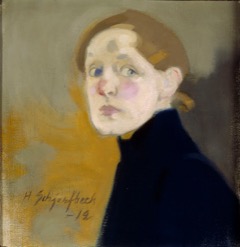 Helene Schjerfbeck (1862 –1946) is one of the luminaries in Finnish art. Today, she is the best-known female artist from Scandinavia from the turn of the 19th and 20th century. She was one of the few artists of her generation who both created masterpieces in her Naturalistic and Impressionistic style and was also able to shift to an entirely Modernist mode in the 20th century. In both periods she was successful.
Her intense ascetic moods create an echo for Japanese woodcut prints, and at the end of her life terrifying self-portraits reflect the passionate style of Picasso. The underlying thread in her paintings was an emotionally charged relationship to her models, whether they were human beings, still-lives, landscapes, or reinterpretations of her earlier works or works by other artists. Her art is universal, its kernel is a relationship to a human being’s enigma. Her paintings captivate and make one return to them wondering who is painted – the model, you, or the painter! What is happening in the mind of a neighbour? There is silence which shouts.
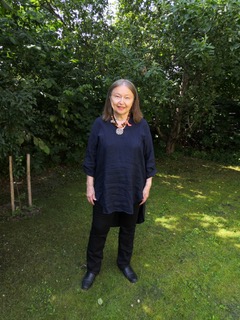 Leena Ahtola-Moorhouse MA is an art historian and was chief curator at the Ateneum Art Museum, Helsinki until 2013. She has written widely on Finnish art from the 19th and 20th centuries. She was invited as a scholar to the Weisman Art Museum, University of Minnesota, U.S.A. in 2000. She has curated many exhibitions especially on Finnish women artists. She is known as a specialist on Helene Schjerfbeck’s art. The Helene Schjerfbeck retrospectives in 1992 and 2012 were curated by her.
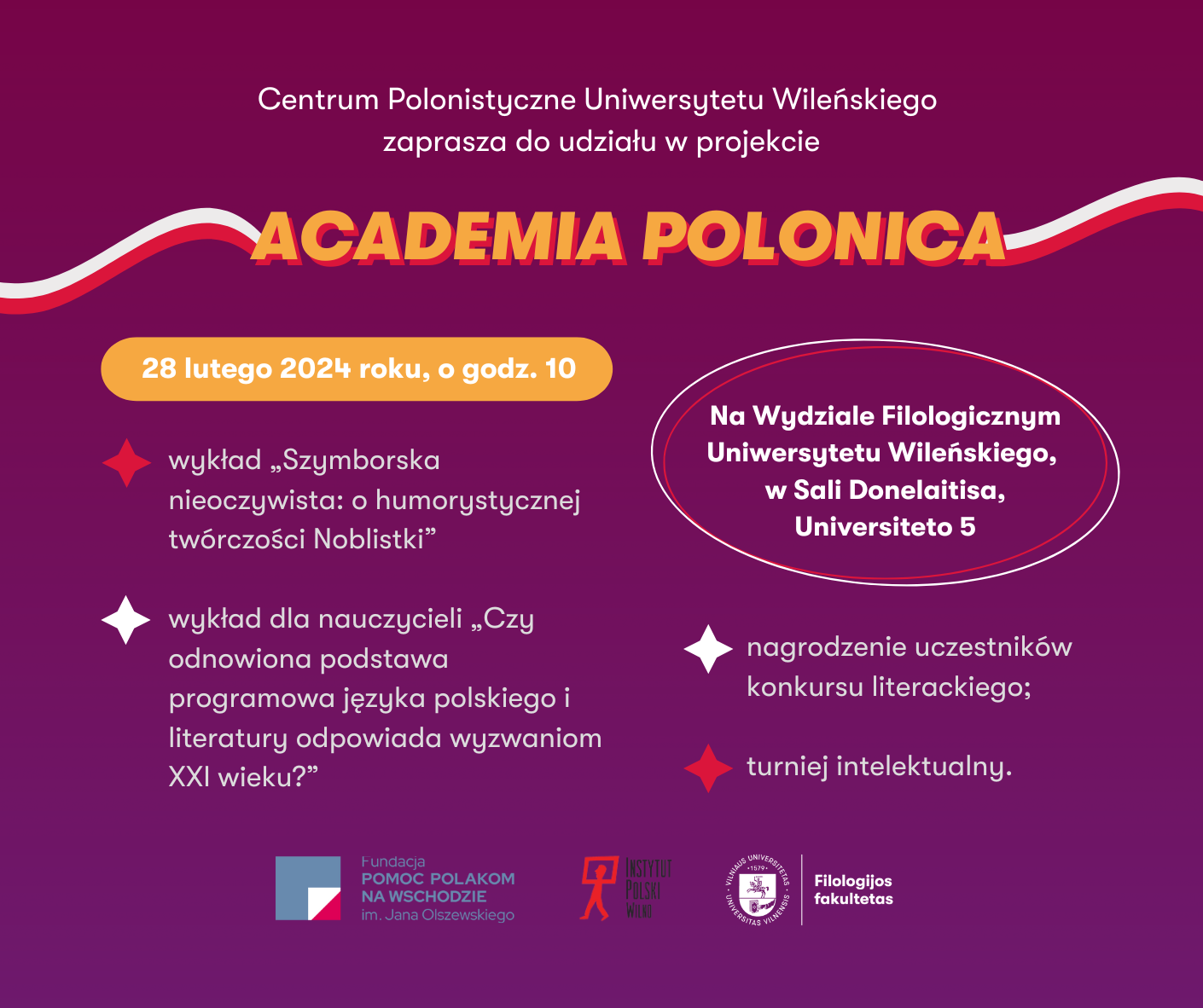
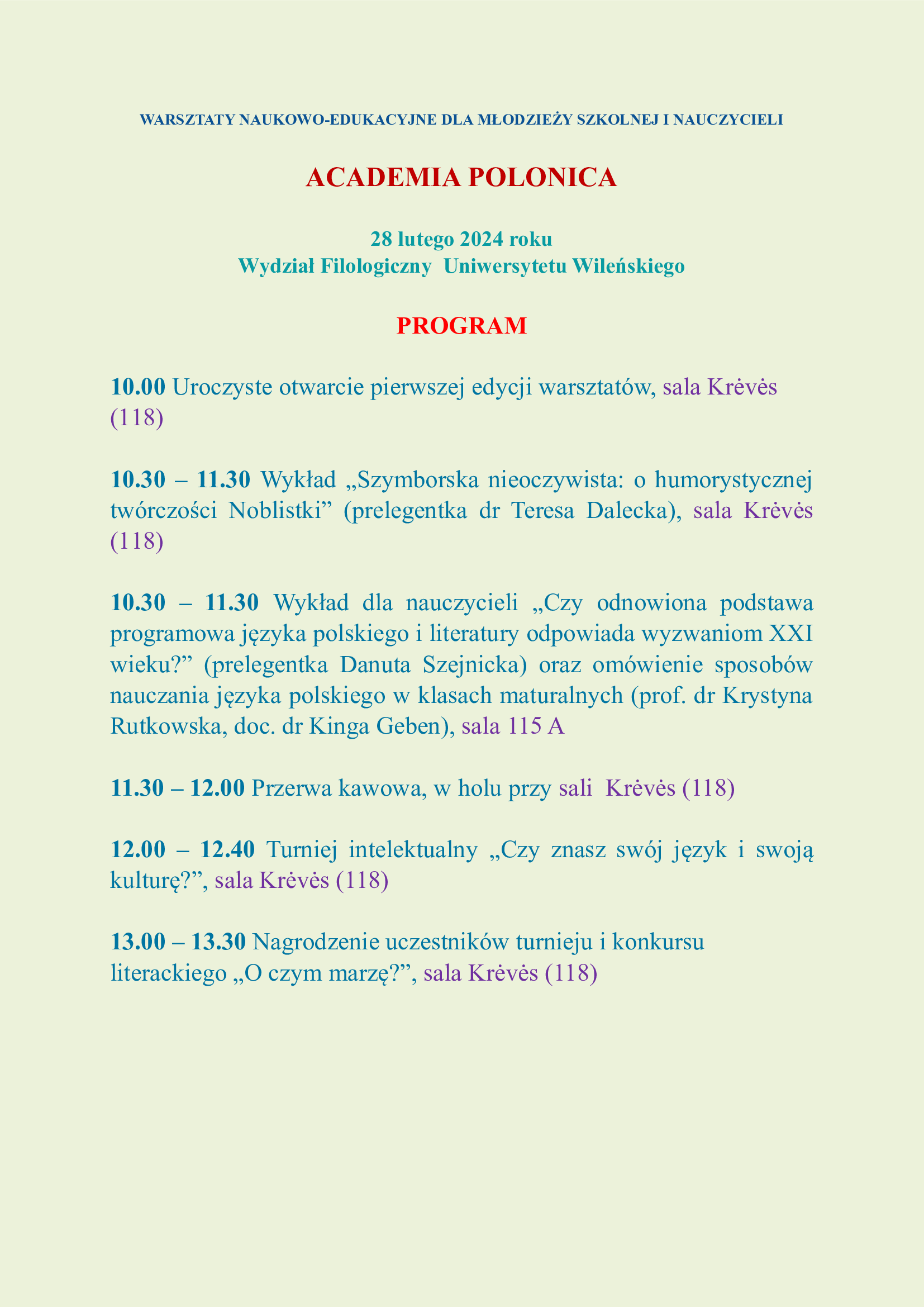
 Renginio programa:
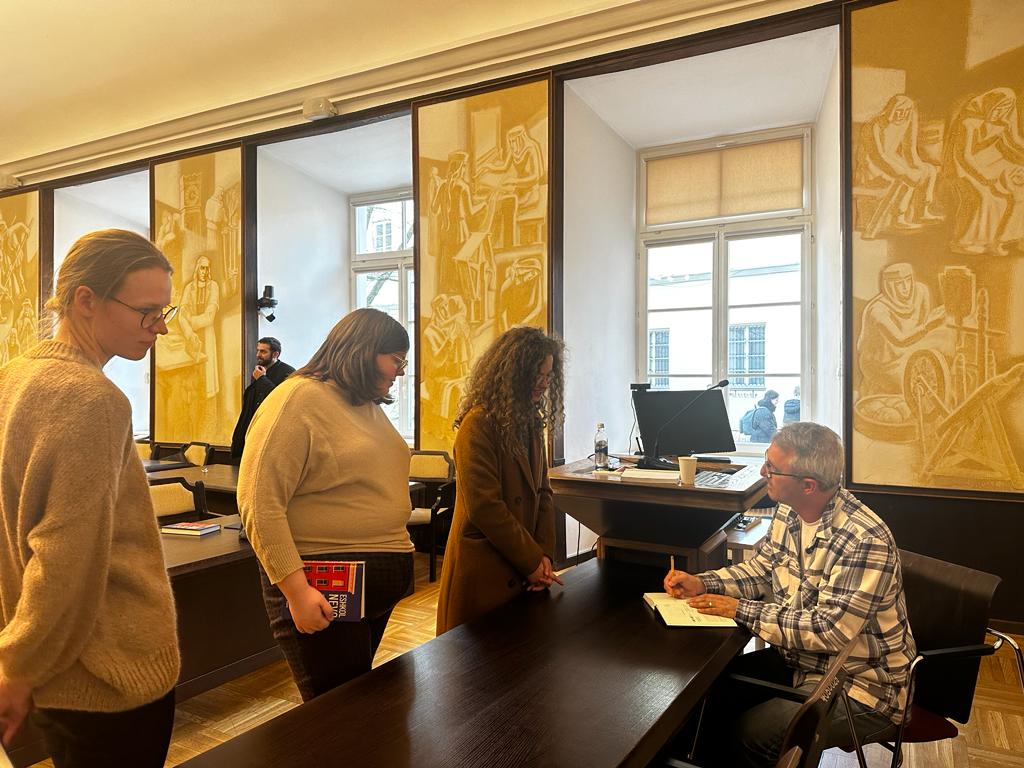
 Prisistatydamas auditorijai rašytojas paminėjo, kad jo mama, sužinojusi, kur jis vyksta, papasakojo, kad jų šeimos istorijoje Vilnius yra labai svarbus miestas. Rašytojo senelis, XX a. pradžioje atvyko į Vilnių iš Kyjivo, kur neturėjo galimybės mokytis aukštojoje mokykloje, ir būtent čia įsitraukė į sionistų judėjimą ir galiausiai išvyko į tuometinę Palestiną. Susitikimo metu buvo daug kalbama apie Nevo romaną Trys aukštai, su kuriuo, kaip prisipažino rašytojas, jis iki šiol turi jautrų santykį dėl asmeniškai svarbių tėvystės, santykių šeimoje klausimų. Pirmieji romano skyriai buvo parašyti tuo metu, kai Nevo už eismo taisyklių pažeidimus neteko vairuotojo pažymėjimo ir buvo priverstas naudotis viešuoju transportu. Izraelyje viešajame transporte žmonės kalba telefonais arba bendrauja tarpusavyje labai garsiai. „Aš visada klausausi pokalbių, kurie skirti ne mano ausiai“, – sakė Nevo. Būtent tuomet jis supratęs, kad visi šie pokalbiai yra potencialios literatūrinės istorijos, kurias tik reikia užrašyti. Parašęs pirmąsias dvi dalis jis suvokė, kad savo sumanymui gali pritaikyti Sigmundo Freudo pasiūlytą triaukštę asmenybės struktūrą, kurią išdėstė ir savo knygoje. Taip Freudo dėka atskiros novelės įgijo ryšį ir tekstas tapo romanu. Diskusijoje buvo kalbėta apie rašymo procesą, atvirumo ir fikcijos santykį kūryboje, rašančiojo santykį su artimiausiais žmonėmis. Nevo juokavo, kad tai, ką jis sako, neturėtų išeiti už auditorijos sienų.